
Eureka (2000): Learning to Struggle Better
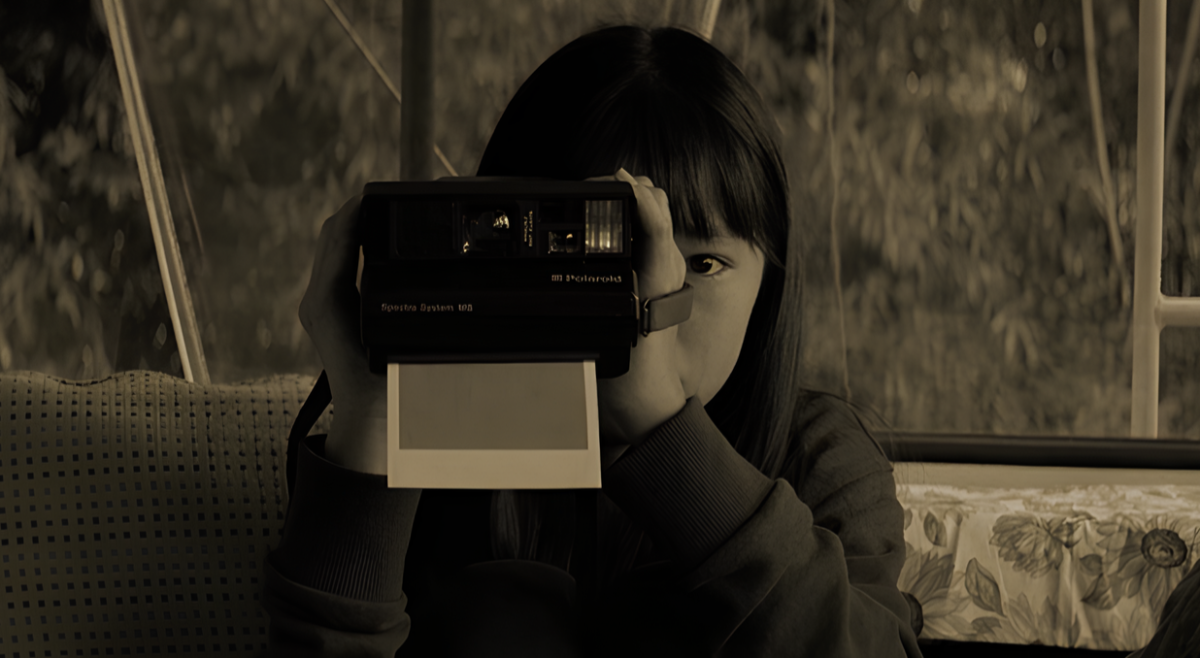
Eureka, directed by Shinji Aoyoma, is a three-hour long narrative that left me with a lingering uneasiness and yearning for closure long after the credits rolled. A center plot spun to life from a motiveless but deeply violent bus jacking that left only the bus driver (Sawai-San) and two kids, Kozue and Noaki, alive.
The visually colorless viewing experience, filtered through a yellow tint, was instead colored in by the many themes and genres in the narrative. One of the many themes that stuck with me was wanting to start over; purposely flipping the definition of places/people that once defined you to help pillage a new beginning.
But out of all the things that can keep you dragged behind, it’s love. Love will always follow and live forever with guilt, shame, regret, in a mansion, as roommates.
A scene between Sawai-San and his now ex-wife, whom he abandoned shortly after the bus jacking, demonstrates why to never revisit the past if a new future is what you desire. In their conversation every angry thought has a smile as his now ex-wife releases her pent-up anger and sadness. Her smiles tell the tale that love oddly will always live on like an erased word on a whiteboard, its outline faintly alive. The final moment between the two ironically leaves them both distraught as reality kicks in that they will never see each other again; as even if the heart desires the head will clear the fog. Tears flow along the rage and as each now begins a new life forever apart.
Although a fiction, Eureka is a story of truth: to keep moving forward with understanding engraved in the heart.
In the second half of the film, Sawai-San takes the kids on a ride across the country in a bus, tweaking the original starting place of the trauma into positivity. The bus is now a space for mental redemption and character growth instead of its latter definition of deep hurt; the road trip coughs out the worst and best of all. The rag tag group bonded by the horrors of needless murder and feelings of societal abandonment is eventually whittled down to just Sawai and Kozue at the top of a mountain as the movie fades but color fades in; maybe a better tomorrow is finally here.