
How Music Brings Movies and Video Games to Life
People don’t always notice how much music is doing in movies and video games—but once you start paying attention, it’s kind of impossible to ignore. It’s one of those things that works in the background, but completely changes how we experience what’s on screen.
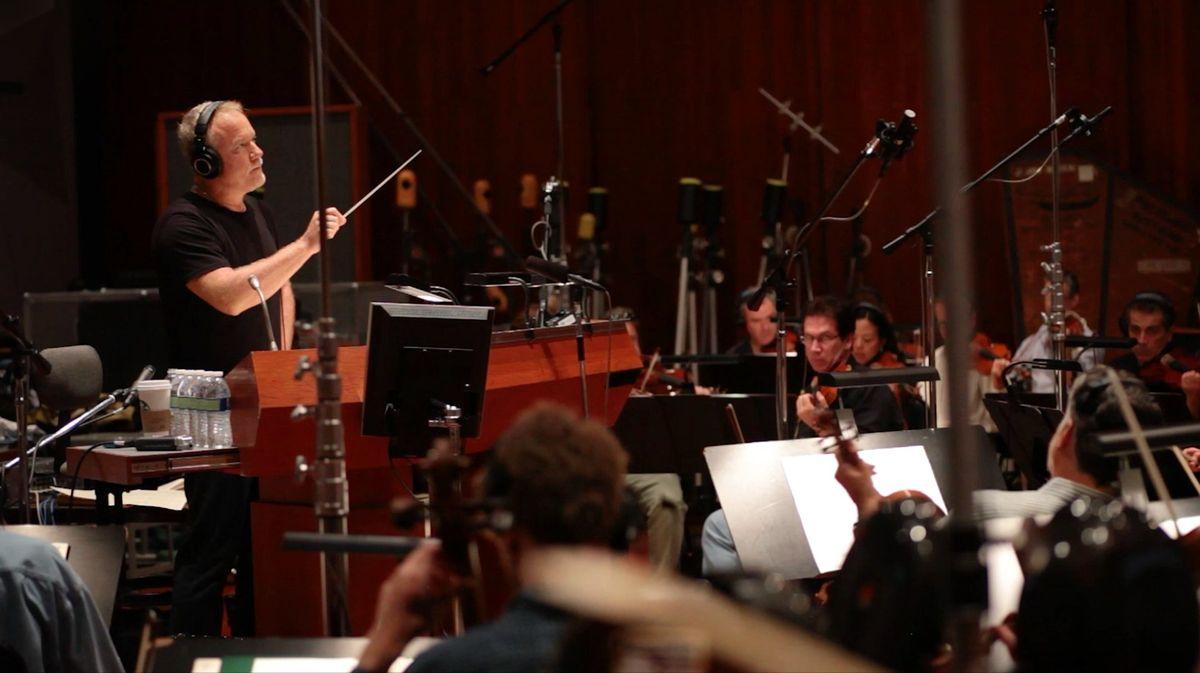
As a composer, I’ve started to hear things differently. Music isn’t just there to fill silence—it’s what shapes how a scene actually feels. A moment can be visually the same, but with different music, it can come across as tense, emotional, or even completely empty. That’s something composers like Hans Zimmer and John Williams do really well. Their scores don’t just sit in the background—they push the story forward and give it emotional depth.
I’ve noticed this even in my own compositions—sometimes changing the harmony or instrumentation completely shifts the emotion, especially in more cinematic styles. Even something as small as switching from strings to piano can make a moment feel more intimate or distant. It’s a small detail, but it makes a huge difference in how something is perceived.
What I find interesting is how intentional everything is. When you’re writing for media, you’re not just composing freely—you’re thinking about timing, pacing, and what the audience is supposed to feel in that exact moment. It’s less about writing a “good” piece and more about writing the right one for the scene.
Video games make this even more interesting because the music isn’t fixed. In The Legend of Zelda: Breath of the Wild, the soundtrack changes depending on what you’re doing, which makes everything feel more immersive without you really thinking about it. It’s subtle, but it makes a huge difference.
I think that’s why music sticks with us so much. You might forget parts of a movie or game, but you remember how it felt.